


Filter by
Scar Healing Skincare
Skin & body, looked after
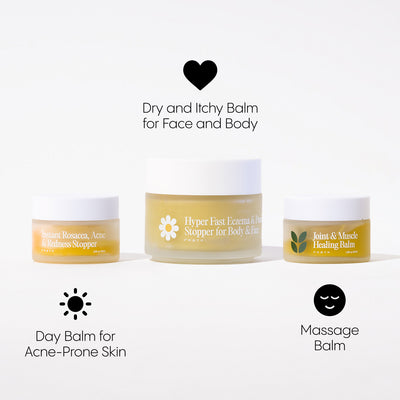
The Complete Apothecary for Face & Body
What customers say


"The picture is proof you product works on my 64 year old face after 2 months use!"


"I have some weird sun spots on my face and they have faded in 2 weeks!"


"I love it. It really works!"


"After 1 day I saw a significant difference!"

"I went to school for skin care and I did not believe it was even possible to see results that quickly..."


"I felt confident enough to go out with nothing on my face but Froya and lip gloss."


“Wow. 20+ years of acne finally calmer and with great ingredients.”

"I've been using for 4 weeks and I’m LOVING it."

"I'm on my 4th night using this and so far I really like it!"


"I love how smooth my skin is in the morning!"

"Cleared up all my active acne breakouts in 17 days."

"Amazed by how amazing my skin looks and feels."

"I will NEVER use anything else!"


"Only been 2 weeks but I can see a reduction in forehead lines."


"I am a customer for life."


FAQs on Skincare for Scars
Is there a natural way to fade acne scars?
Daily use of botanical oils, kept up over months, is what softens how acne scars look - the oils back both tone and texture. Rather than pushing the skin, natural scar healing skincare lets it complete its own repair. Nothing changes overnight; the result is built by sticking with it.
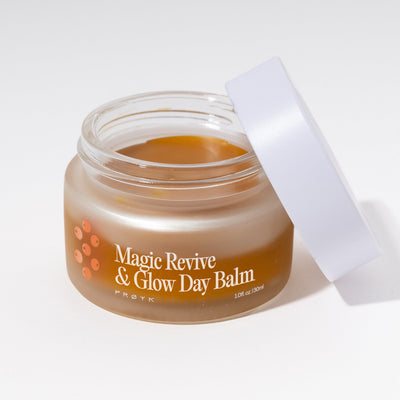
At Froya the build starts with rosehip, arnica and sea buckthorn, carried in a beeswax balm with no water in it, so skin stays supple as tone levels. The Magic Revive & Glow Day Balm is what we reach for here: rosehip alongside sea buckthorn, brightening the skin and softening how marks read. A fingertip dose does it, and an orange cast on the skin means you went over.
Will acne scars clear up unaided?
Give it several months and the dark marks left by old breakouts generally fade unaided; a genuine raised or indented scar, though, will not vanish entirely on its own. What most people point to as a scar is really a post-acne mark, flat and brown or red, and botanical care can hurry its settling. Collagen has shifted in deeper textural scars, which is why those only look softer instead of going away.
Day-to-day support pays off right here. Vitamins A and C in rosehip work on evening the tone, and the beeswax and plant oils stop the skin drying, which would only make marks stand out harder. Keep at it and most marks go on fading while the skin finishes its own repair.
Acne marks or acne scars: how do they differ?
Texture is what a scar alters, raised or sunken into the skin, whereas a mark is only flat discoloration. Those red or brown patches that stay behind once a breakout clears will fade if cared for properly. A true scar reaches the surface itself, since scar tissue forms when collagen deeper down is disrupted as the skin heals.
Where botanical skincare pulls its weight is on marks, and on keeping fresh ones from forming. The Balm for Acne-Prone Skin quiets breakouts while they are active, thanks to marigold and calendula, so fewer marks get left behind at all. Add a day balm on top for the fading work.
Which kinds of acne scarring exist?
Knowing which type you have keeps expectations honest, because acne scarring comes in a handful of forms. The indented ones are atrophic - boxcar, rolling and ice pick shapes among them. Raised scars that hold to the original spot are hypertrophic, and keloids rise as well but creep past it and can itch.
Those flat red or brown spots never were scars; they are post-acne marks, and they fade as months go by. Steady botanical care every day earns the most on such marks, and on shallow atrophic scars too, where the texture of the skin can read noticeably smoother with use. Change comes slower to the deeper raised or indented kind, so the daily job there is holding the whole area supple, even and less obvious - a texture improvement built up over months.
Does deeper skin scar more badly from acne?
Two scar problems in particular run higher on darker skin, which is why the right care counts for more. Those dark spots a breakout leaves - post-inflammatory hyperpigmentation - come through stronger and stay around longer the deeper the skin color is. Keloid and hypertrophic scarring also turns up more often on skin of color.
Where the worry is color more than texture, as it often is, a daily botanical oil that brightens and evens the tone fits well. Sea buckthorn and rosehip hold the tone more even-looking without the harsh acids that sting and, ironically enough, set off further pigment. Begin with Froya’s plant-based care for skin that breaks out and work upward from that.
Which plants work best on the look of marks and scars?
Arnica, sea buckthorn and rosehip carry most of the weight where marks are concerned. Arnica settles freshly reddened, bruised skin; sea buckthorn contributes antioxidants and omega-7 that blur marks. Rosehip, for its part, supplies fatty acids with vitamins A and C, which feed collagen and help uneven tone look more balanced.
A beeswax base carries them all, and because dry skin makes a mark look sharper, that base holds moisture in. Calendula and chamomile finish the blend, quieting reactive skin. Every active is listed on the list of every plant inside.
Are niacinamide, retinoids or vitamin C serums any use on acne scars?
Each of these actives targets a different piece of the puzzle, which is why products sold for acne scars lean on them. The catch: the stronger an active is, the more it can leave redness and irritation behind, above all on sensitive skin. The botanical road to those same ends is what Froya picked — rosehip that already holds vitamin A and vitamin C, the forms doing much of the work on tone and collagen, alongside chamomile and sea buckthorn to calm and even things out. What the actives are known for arrives here in cold-pressed Arctic plant oils most skin tolerates well.
Are stretch marks and surgical scars fair game for these balms?
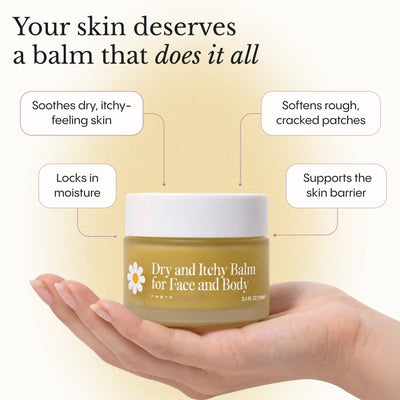
Anywhere on the body or face is fine, as long as the skin there has healed completely — stretch marks and old surgical marks included. The calming balm for body and face is the broadest of them, since borage, rosehip and chamomile together keep tight, dry skin comfortable and soft. And marks read as less sharp on skin that stays supple.
Wait until a wound has fully closed before applying anything, and for a fresh surgical site or very new scars, check with your doctor first. A patch test on a small area is always a smart first step.
How do I look after a scar while it heals?
A scar settles better on plain, consistent habits. Wash the area with something mild that will not strip it, and keep the skin moisturized — well-hydrated skin closes over more smoothly and ends up less marked. Do not pick at scabs, and go easy on strong exfoliating acids, which can drive a mark deeper.
Light massage, once the skin has closed over completely, loosens collagen stiffness and evens texture as the weeks pass. The bigger variable is sun: fresh marks darken under UV, as dermatologists point out, so stay in the shade, cover up, and for longer spells outdoors use a mineral broad-spectrum sunscreen of SPF 30 or above. Tying it together is a thin film of nourishing balm, applied day after day.
When does a difference become visible?
Give it a few weeks and skin tends to look smoother and more even; the biggest difference usually arrives somewhere in the second or third month of everyday use. Marks and scarring take their time, which is how botanical care works — steady, not instant.
For scar work in a single step, the Complete Apothecary for Face & Body brings the Massage Balm along too.
Who are these for, by age and skin type?
Every skin type gets along with these balms — dry, oily, combination, sensitive — and they are formulated for adult skin. Women in their 30s and older, dealing with marks left by surgery, old breakouts or ordinary life, are who the range speaks to most. Light, non-clogging plant oils mean oily and acne-prone skin is covered as well.
Tolerance is good, and the only scent in them comes from the plants themselves — nothing synthetic. Irritation or redness happens rarely, though a patch test comes first if you know of an allergy or a skin condition. They layer fine under makeup, and a small amount covers plenty.
Do you offer refunds, and will Froya deliver to me?
Orders are processed and shipped within 2-3 business days. Delivery usually takes 7-15 business days after dispatch, depending on your location. Shipping is free on orders over $49; below that, the shipping cost is shown at checkout. International orders may be subject to customs duties or import taxes. You will receive a tracking number by email as soon as your order ships. Full details are in our Shipping Policy.
You can request a refund within 30 days of purchase for unopened, unused and undamaged products in their original packaging. Email us at servicefroyaorganics@gmail.com with your order number to start the request. Return shipping is paid by the customer, and approved refunds go back to your original payment method within 5-7 business days. Full details are in our Refund Policy.
